RISHI
SHARMA
Ship | Build | Scale. Zero fluff.
I turn engineering into a competitive advantage — build secure platforms that scale, teams that thrive, and AI that delivers real customer value.
25+
Years building
43M+
DAU peak
£700M+
Saved at Tesco
250+
Engineers led
Recent writingMore →
The Thinking Machine Chronicles #0016: Programming a Computer to Play Chess: Shannon's Blueprint for Game-Playing AI
In 1950, Claude Shannon published a paper that had nothing to do with information theory and everything to do with artificial intelligence: a systematic analysis of how a computer could play chess. The algorithms he described: minimax, alpha-beta pruning, static evaluation functions: became the foundations of every game-playing AI built in the next seventy years.
October 29, 2026
10 min read
Reading the Unspoken Face: A History of Facial Micromovement Science, From Duchenne to Apple's Q.ai
Apple just paid up to $2 billion for Q.ai, a startup that reads silent speech and vital signs off your face using laser speckle patterns. The underlying science traces back to a 19th-century Frenchman shocking expressions out of strangers with electrodes, and every step since has been about catching the same leak more gently.
August 31, 2026
16 min read
The Thinking Machine Chronicles #0015: Can Machines Think?: Turing's Imitation Game and the Test That Changed Philosophy
In 1950, Alan Turing replaced the question "can machines think?" with a concrete behavioural test: can a machine fool a human interrogator into believing it is human? The paper that proposed this test became the most cited document in the philosophy of mind and catalysed fifty years of debate about the nature of intelligence.
August 28, 2026
10 min read
Recent projectsMore →
TMC #0016: Shannon Chess Engine
A pure-Python implementation of Shannon's 1950 chess engine design: full legal move generation for all piece types, the original material + mobility + pawn-structure evaluation function, and minimax search with alpha-beta pruning.
October 29, 2026
TMC #0015: Turing Test: Imitation Game Simulator
A pure-Python simulation of Turing's 1950 imitation game: a rule-based chatbot and scripted human compete across a 20-question bank, scored by a heuristic interrogator that awards rounds based on answer plausibility.
August 28, 2026
TMC #0014: Hebb Learning Rule: Associative Memory Network
A pure-Python implementation of Hebbian learning (1949): outer-product weight storage, bipolar associative recall, noise-tolerance testing, capacity limit demonstration, and Oja's normalised rule for comparison.
August 17, 2026
Weekly InsightsMore →
Weekly Insights: Week 35, Aug 24–Aug 30, 2026
Hidden gems in Frontend, Backend, and AI from this week's tech world.
Week 35
2026-08-30
Weekly Insights: Week 34, Aug 17–Aug 23, 2026
Hidden gems in Frontend, Backend, and AI from this week's tech world.
Week 34
2026-08-23
Weekly Insights: Week 33, Aug 10–Aug 16, 2026
Hidden gems in Frontend, Backend, and AI from this week's tech world.
Week 33
2026-08-16
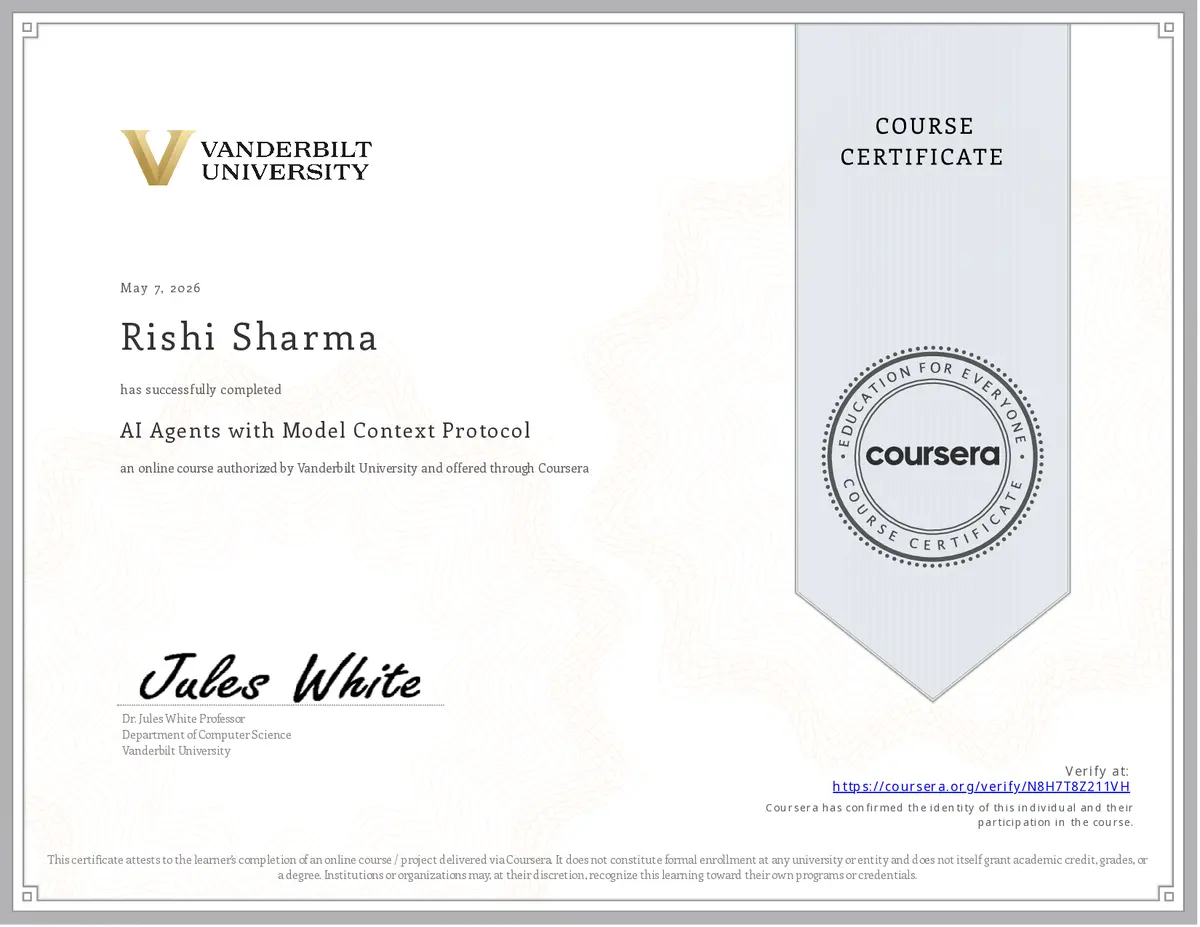
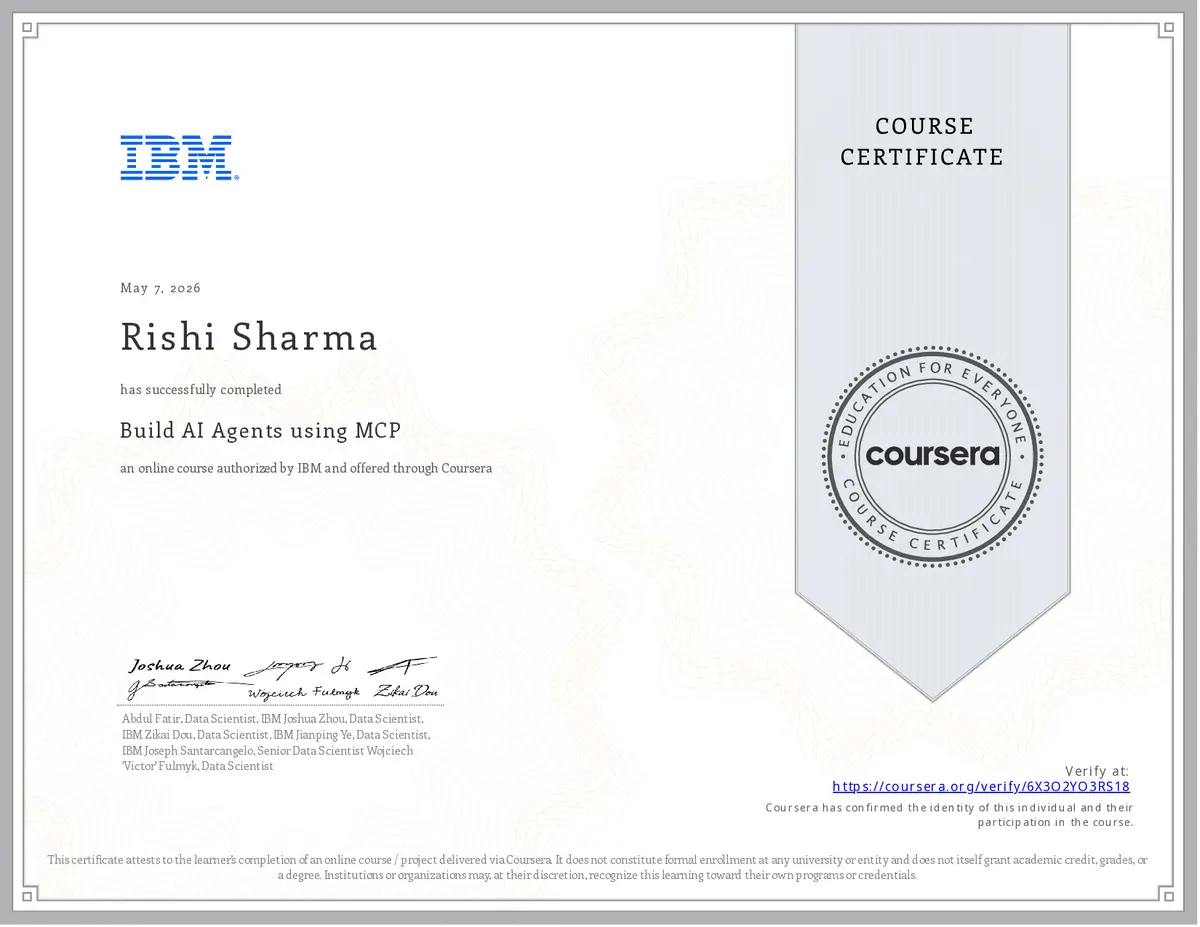
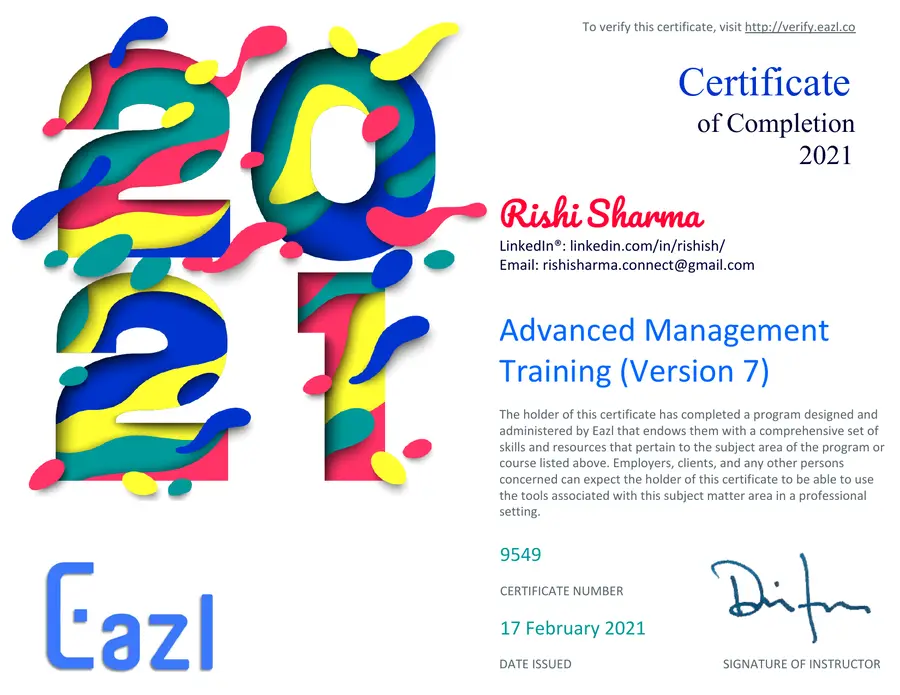
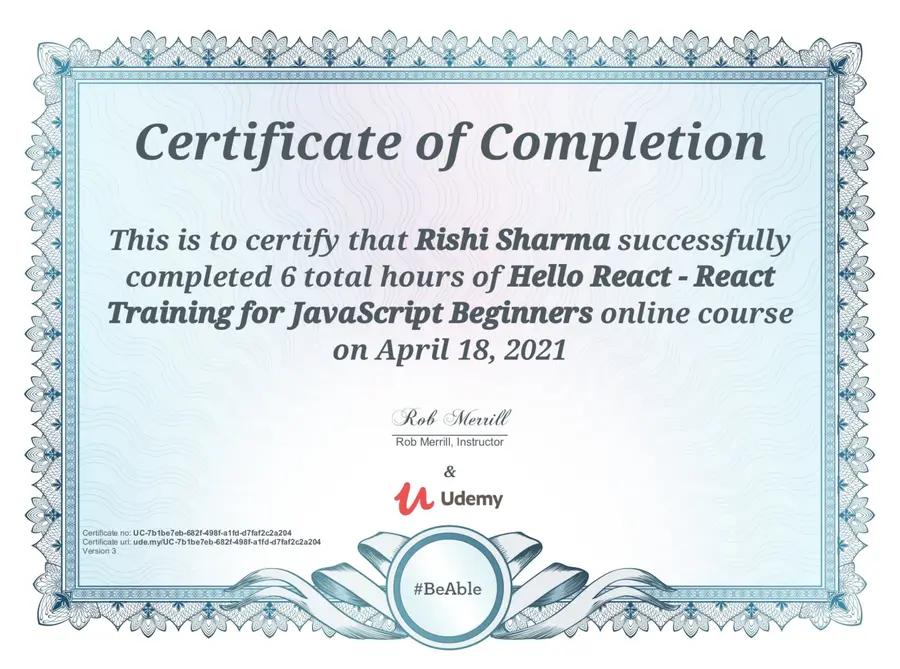
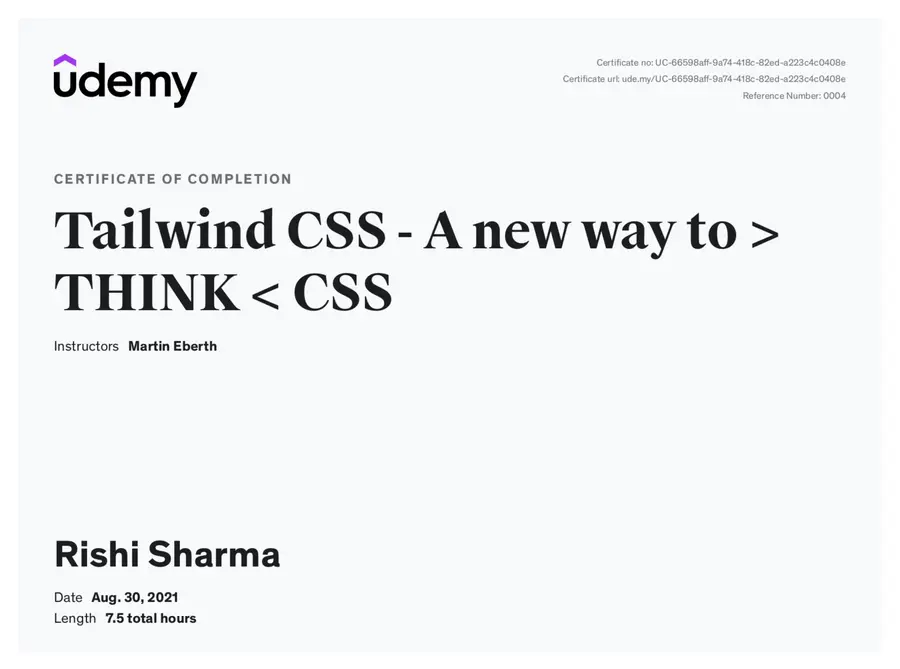
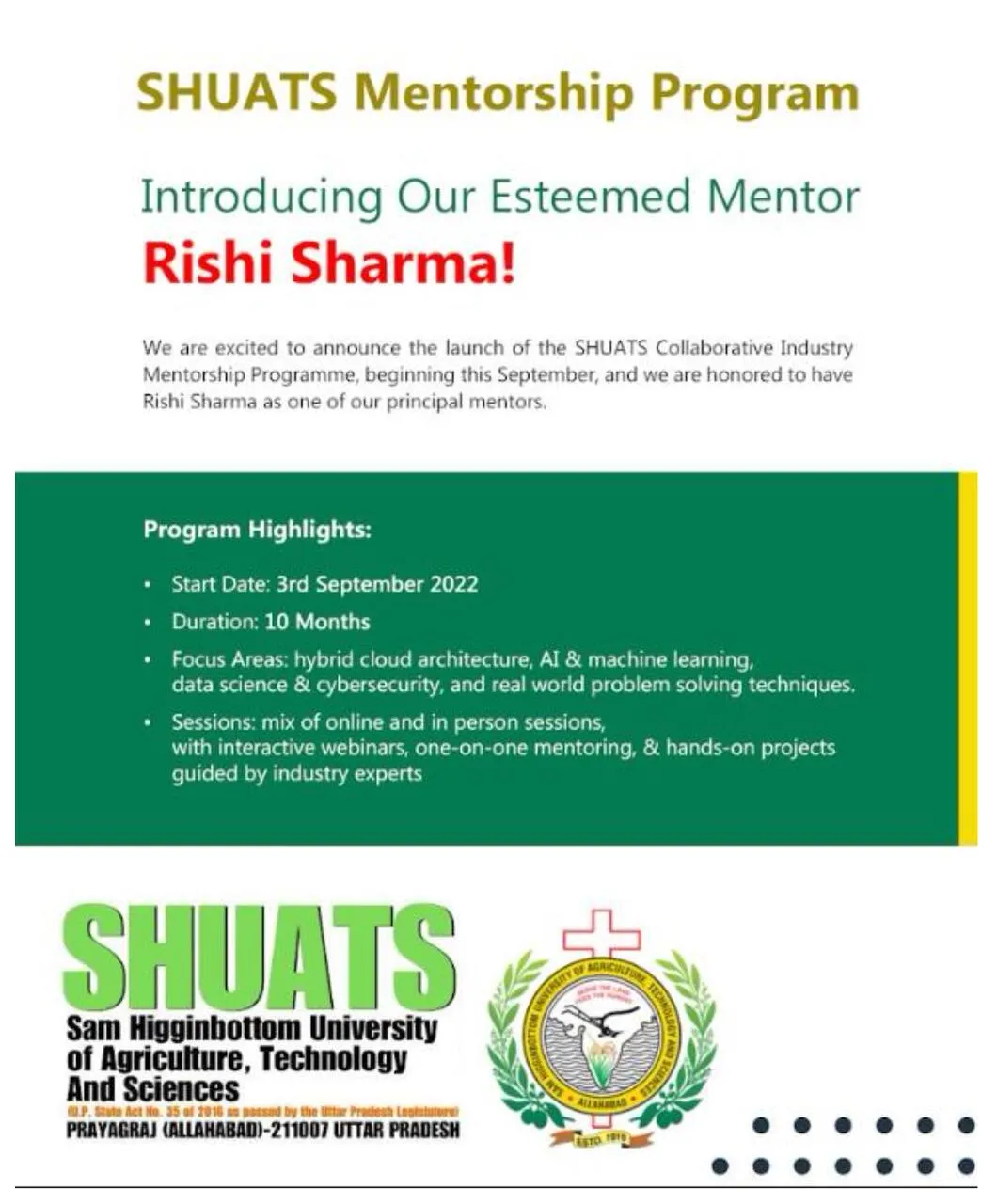
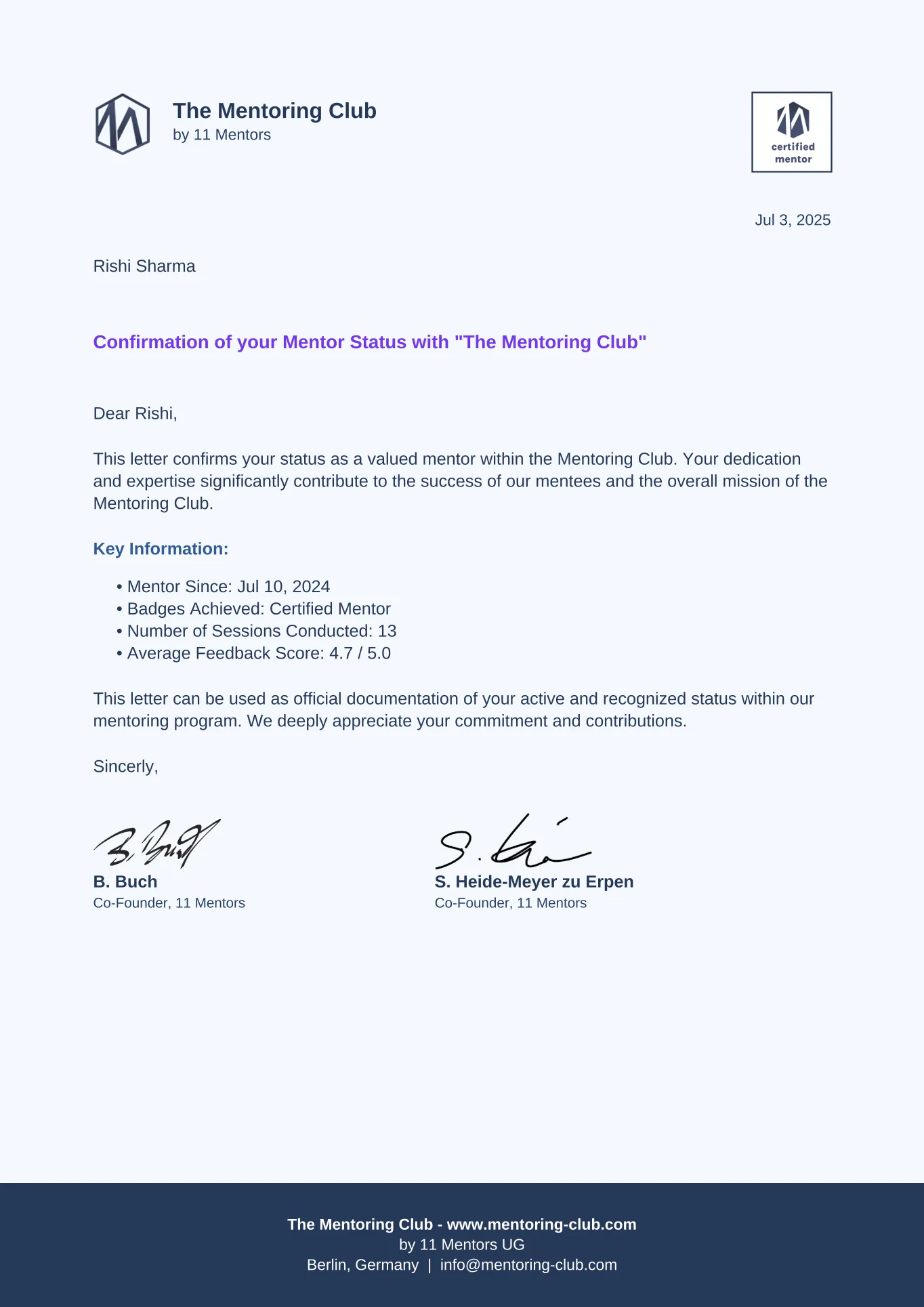
CredentialsMore →